



Chess Pieces Names and Moves: A Complete Guide to Every Chess Piece

Open a chess set for the first time and you'll find 32 pieces in six different shapes, and a surprising number of people can't name them all. Is it a castle or a rook? A horse or a knight? Which one is the bishop, and why does it have a slit in its head?
This guide gives you the chess pieces names, exactly how each one moves, what each is worth, and one easy way to recognize every piece on any set, whether it's a classic tournament Staunton or a minimalist design. If you're completely new to the game, pair it with our guide to chess rules for beginners, which walks through a full game from the first move to checkmate.
Quick answer: The six chess pieces are the king, queen, rook, bishop, knight and pawn. Each side starts with 16: one king, one queen, two rooks, two bishops, two knights and eight pawns. The king moves one square in any direction. The queen moves any distance in any direction. Rooks move in straight lines, bishops move diagonally, knights jump in an L-shape, and pawns move forward and capture diagonally.
Key takeaways
-
Six pieces, 16 per side: 1 king, 1 queen, 2 rooks, 2 bishops, 2 knights, 8 pawns.
-
Common point values: pawn 1, knight 3, bishop 3, rook 5, queen 9. The king is priceless, because losing it loses the game.
-
The knight is the only piece that jumps over others. It always lands on a square of the opposite color.
-
Every piece has a signature shape. Learn the top of each piece and you'll recognize it on any chess set in the world.
The Chess Pieces at a Glance
|
Piece |
Symbol |
Notation letter |
Count per side |
Point value |
How it moves |
|---|---|---|---|---|---|
|
King |
♔ |
K |
1 |
Priceless |
One square in any direction |
|
Queen |
♕ |
Q |
1 |
9 |
Any number of squares in any direction |
|
Rook |
♖ |
R |
2 |
5 |
Any number of squares horizontally or vertically |
|
Bishop |
♗ |
B |
2 |
3 |
Any number of squares diagonally |
|
Knight |
♘ |
N |
2 |
3 |
L-shape: two squares one way, one square sideways (jumps) |
|
Pawn |
♙ |
(none) |
8 |
1 |
Forward one square (two on its first move); captures diagonally |
The notation letters are how moves are written down. The knight uses N, because K is already taken by the king, and pawns have no letter at all. Our chess notation guide explains how to read and record a full game.
Chess Pieces Names and How Each One Moves
The King
How to recognize it: The tallest piece on the board, topped with a cross.
How it moves: One square in any direction: forward, backward, sideways or diagonally. The king can never move onto a square where it would be attacked. Once per game, it can also make a special move with a rook called castling, which tucks it safely into the corner. Our guide to how to castle in chess covers the rules step by step.
Common beginner mistake: Leaving the king in the center too long. Castle early to get it out of harm's way.
The Queen
How to recognize it: The second-tallest piece, crowned with a coronet (a ring of points) and often a small ball on top.
How it moves: Any number of squares in any direction, in a straight line, as long as nothing blocks the way. It combines the powers of the rook and the bishop, which makes it the most powerful piece on the board.
A little history: The queen wasn't always strong. Her ancestor in the Persian game of shatranj was the ferz, a royal adviser that could move only one square diagonally. Around 1475, in Spain, the queen gained her modern powers. The faster, more aggressive game spread across Europe within a few decades.
Common beginner mistake: Bringing the queen out too early, where it gets chased around by smaller pieces and wastes time.
The Rook
How to recognize it: A castle tower with a crenellated top. That's why many people call it a "castle," though the correct name is rook.
How it moves: Any number of squares horizontally or vertically. Rooks are strongest on open files (columns with no pawns) and on the second-to-last rank, and they work beautifully in pairs.
Where the name comes from: "Rook" traces back to the Persian rukh, usually translated as chariot.
Common beginner mistake: Leaving the rooks in the corners all game. Connect them and move them to open files.
The Bishop
How to recognize it: A medium-height piece with a rounded, mitre-shaped top and a diagonal slit cut into it.
How it moves: Any number of squares diagonally. Because it only moves diagonally, each bishop stays on one color for the entire game. You start with one "light-squared" and one "dark-squared" bishop.
Where the name comes from: In early chess, this piece was an elephant (al-fil in Arabic, still alfil in Spanish). European players reimagined it as a bishop.
Common beginner mistake: Blocking your own bishops behind your pawns. Open the diagonals early.
The Knight
How to recognize it: The horse's head. It's the one piece everyone remembers, and the hardest to carve well.
How it moves: In an "L": two squares in one direction, then one square at a right angle. It's the only piece that can jump over other pieces, and it always lands on a square of the opposite color from where it started.
Common beginner mistake: Putting knights on the edge of the board. "A knight on the rim is dim." Knights are strongest near the center.
Pro tip: The quickest way to judge a chess set's quality is to look at its knights. Hand-carved knights have detailed manes, eyes and expressions. Cheap ones look flat and identical.
The Pawn
How to recognize it: The smallest piece, with a simple ball on top. There are eight of them in a row.
How it moves: Straight forward one square, or two squares on its very first move. Pawns capture differently than they move: one square diagonally forward. They can never move backward.
Special moves: A pawn that reaches the far side of the board is promoted, usually to a queen. There's also a rare capture called en passant, where a pawn can capture an enemy pawn that has just moved two squares past it.
Common beginner mistake: Pushing pawns without a plan. Pawns can't go back, so every pawn move permanently changes your position.
Special Moves Every Beginner Should Know
Three special rules involve specific pieces:
-
Castling (king and rook): The king moves two squares toward a rook, and that rook jumps to the other side of the king. It's only allowed if neither piece has moved, no pieces stand between them, and the king isn't in, passing through or landing in check.
-
Promotion (pawn): A pawn that reaches the last rank becomes a queen, rook, bishop or knight. This is why extra queens come in quality sets.
-
En passant (pawn): A special pawn capture available only on the move immediately after an enemy pawn advances two squares beside yours.
The goal of all this movement is checkmate. Our guide to check, checkmate, and stalemate rules explains exactly how a game ends.
Where Do the Chess Pieces Go? A Quick Setup Reminder
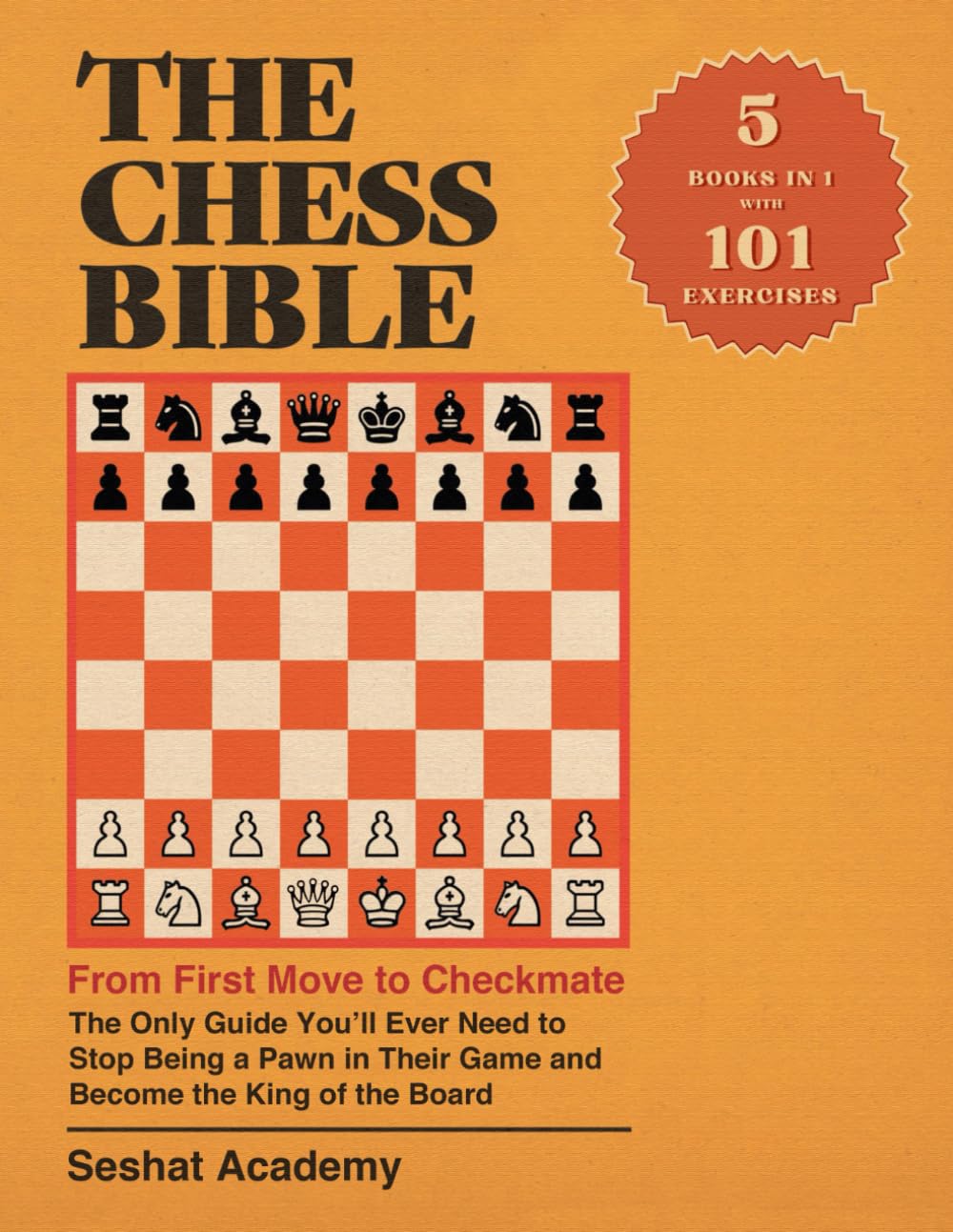
Place the board so each player has a light square in the bottom-right corner. Rooks go in the corners, then knights, then bishops. The queen goes on her own color (white queen on a light square, black queen on a dark square), and the king takes the last square beside her. All eight pawns fill the second row. For a full walkthrough with diagrams, see how to set up a chessboard.
Pro tip: Remember "queen on her color." If your queens aren't facing each other on the same file, the king and queen are swapped.
Why Chess Pieces Look the Way They Do
The shapes above belong to the Staunton design, the standard for tournament play worldwide. It was registered in England by Nathaniel Cooke on March 1, 1849, and produced by Jaques of London. It took its name from Howard Staunton, the leading English player of the day, who promoted the set that same year. Its genius was clarity: each piece has a distinct, instantly readable top, so players from any country can recognize every piece at a glance.
Designers have reinterpreted those shapes ever since. Some historic tournament sets add their own regional character. Minimalist designs, such as the Hermann Ohme style, reduce each piece to pure geometric forms, yet the king is still the tallest and the knight is still unmistakable. Once you know the names and the signature tops, you can play on any of them. Explore our minimalist chess pieces to see how far the design can go.
 If you're choosing your first set, a classic Staunton design is the easiest to learn on. Our best wooden chess sets for beginners are balanced, clearly shaped and made to last. Players heading to clubs and tournaments will want regulation-style tournament chess pieces with a weighted base.
Frequently Asked Questions
What are the 6 chess pieces called? The six chess pieces are the king, queen, rook, bishop, knight and pawn. Each player starts with 16 pieces: one king, one queen, two rooks, two bishops, two knights and eight pawns. The rook is often called a "castle" and the knight a "horse," but rook and knight are the correct names used in rules, books and notation.
Which chess piece is the most powerful? The queen is the most powerful piece because it can move any number of squares in any direction: horizontally, vertically or diagonally. It's usually valued at about 9 points, compared with 5 for a rook and 3 for a bishop or knight. The king is the most important piece, though, since losing it means losing the game.
How many pieces does each side have in chess? Each side has 16 pieces, making 32 in total. That's eight pawns and eight pieces: one king, one queen, two rooks, two bishops and two knights. Many quality chess sets also include two extra queens, one for each color, so a promoted pawn can be replaced with a real queen instead of an upside-down rook.
What is the horse piece in chess called? The horse-shaped piece is called the knight. It moves in an L-shape, two squares in one direction and then one square at a right angle, and it's the only piece that can jump over other pieces. In chess notation, the knight is written as N, because K is already used for the king.
How do I remember where the chess pieces go? Put a light square in the bottom-right corner. Then place, from the corners inward: rook, knight, bishop, with the queen on her own color and the king beside her. Fill the second row with pawns. Two quick checks: rooks in the corners, and queens facing each other across the board. If so, your setup is correct.
Shop the Collection
Learning the chess pieces names is easier with a set that's a pleasure to handle. Browse our wooden chess sets for classic, clearly shaped Staunton pieces that are perfect for beginners, or step up to weighted tournament chess pieces for club play. Every order over $49 ships free in the US.
Leave a comment